Key Features
1. High-Visibility Reflective Design
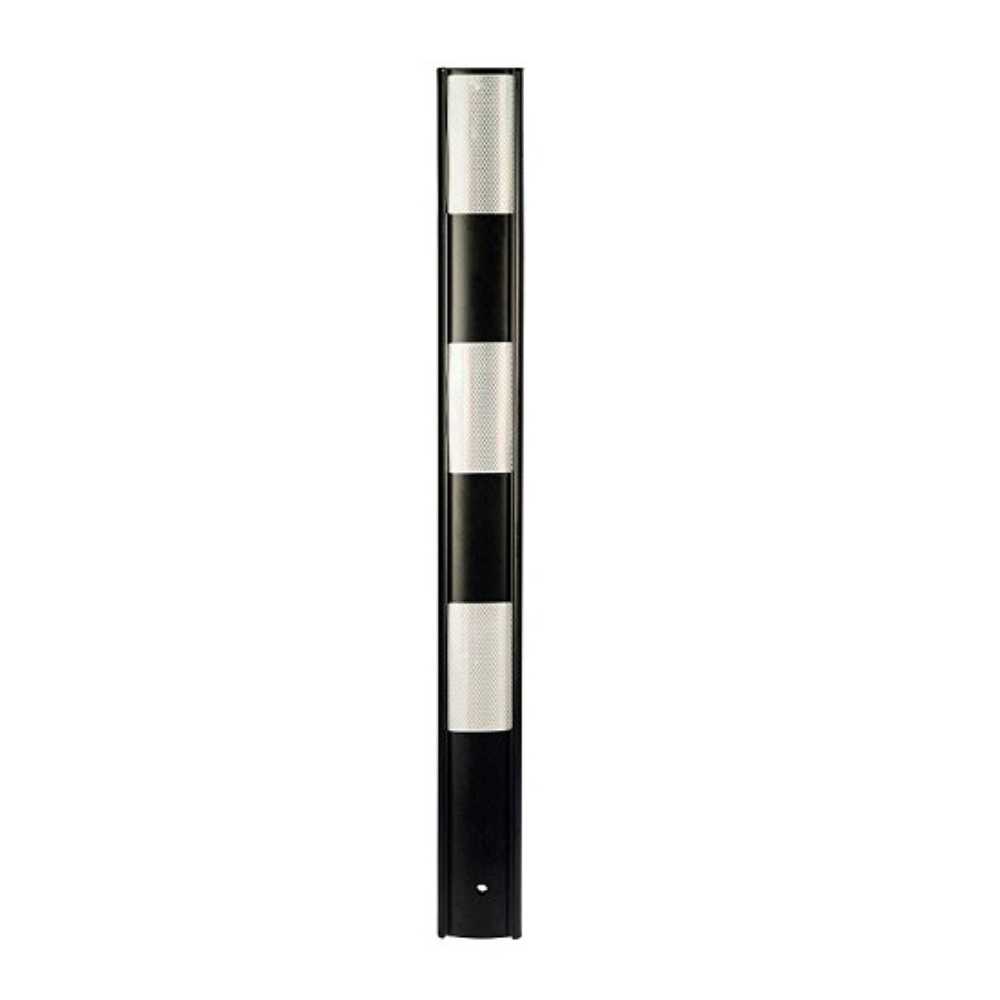
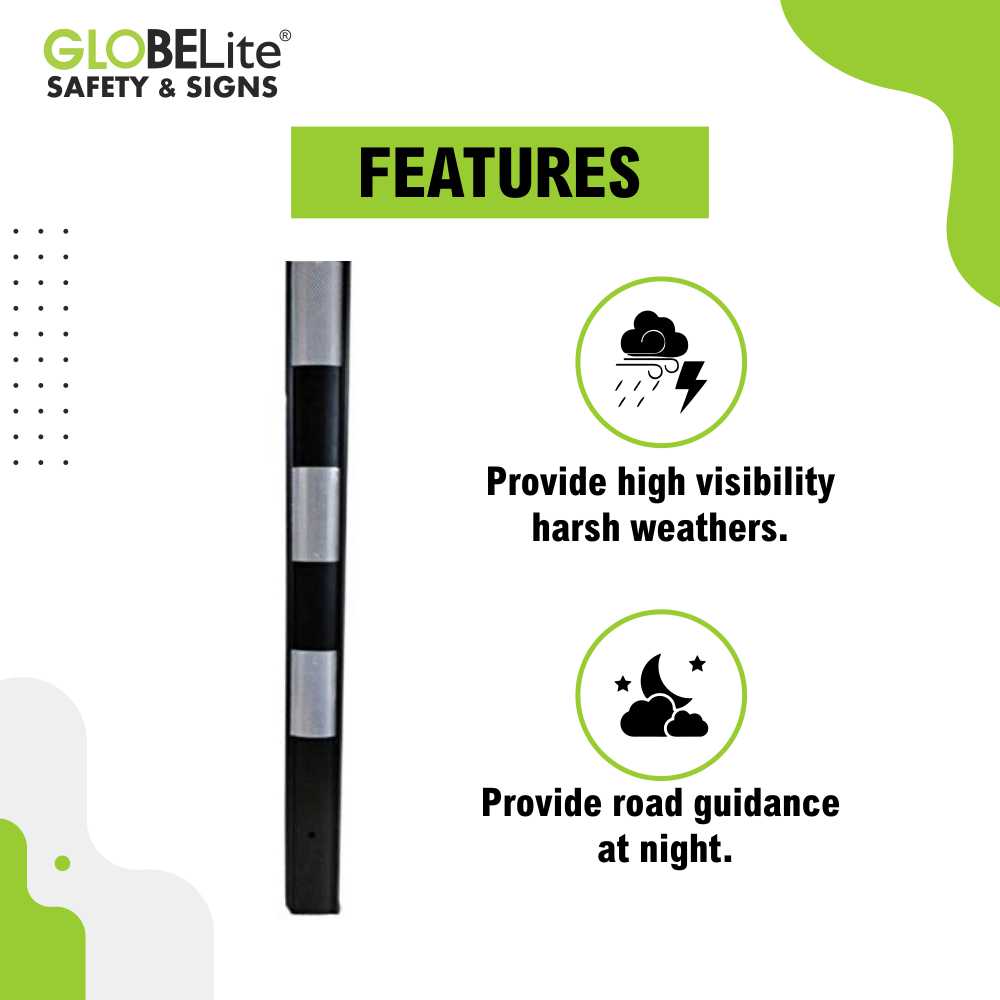
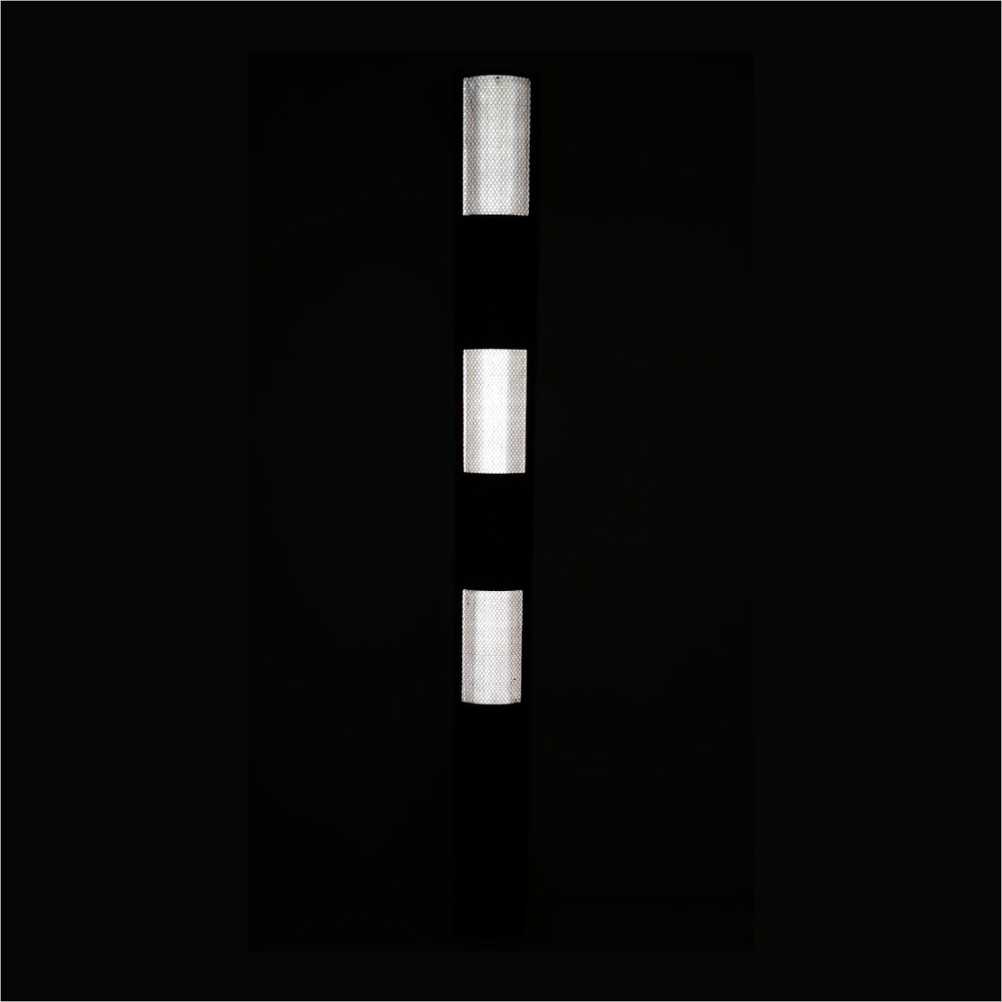
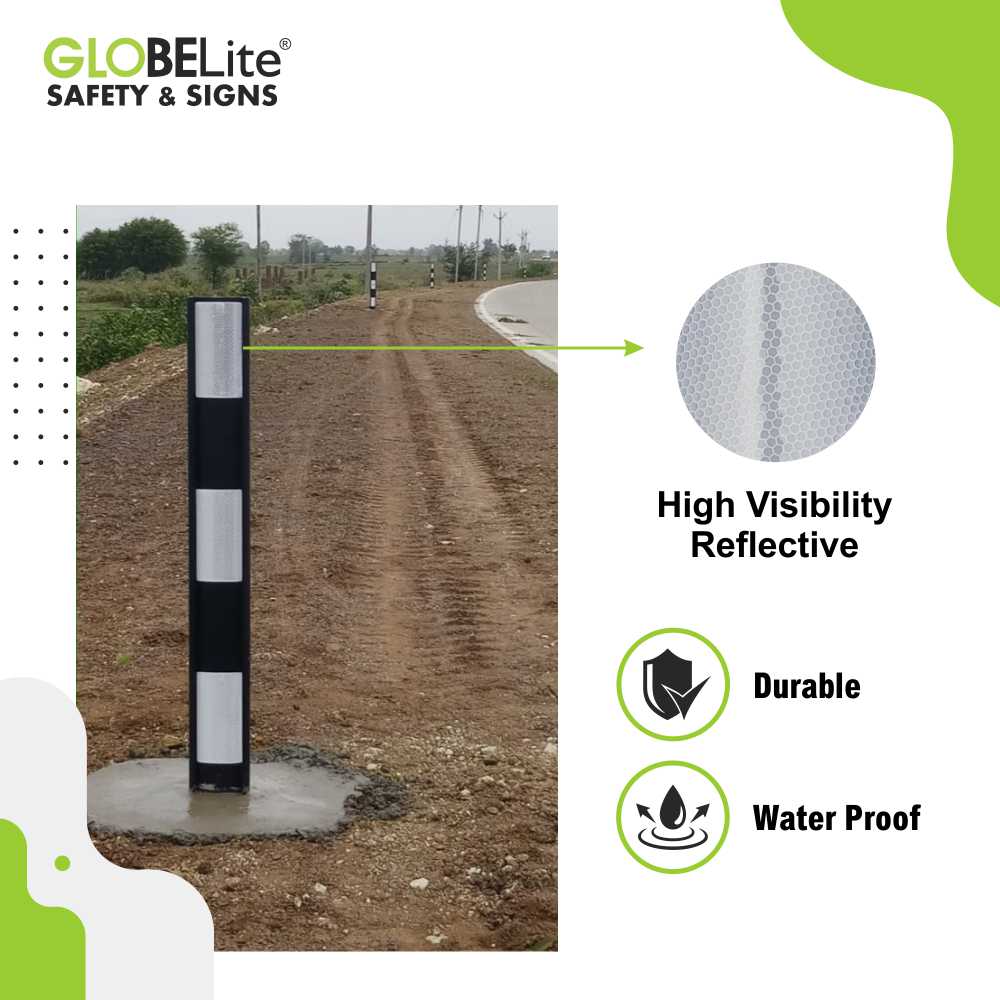
Road delineators are equipped with reflective surfaces to ensure excellent visibility in low-light conditions, fog, mist, and nighttime driving.
2. Durable & Weather-Resistant Construction
Made using robust materials capable of withstanding rain, humidity, UV exposure, and vehicle draught.
3. Ideal for Curved & Straight Road Sections
Specifically recommended for:
- Horizontal curves with radii of 300m or less
- Vertical curves where driver visibility is compromised
- Straight stretches with misleading or uncertain alignment
4. Enhanced Driver Guidance
Their uniform spacing and reflectivity help drivers maintain lane discipline and safely navigate changing road conditions.
5. Suitable for Multiple Risk Zones
Used in areas that require clear visual guidance and hazard indication.
Applications
Road delineators should be installed in the following critical locations:
- Curved road sections
- Vertical curves with inadequate visibility
- Road sections prone to fog, mist, or snow
- Areas with uncertain alignment (e.g., diversions or width transitions)
- Road sections prone to submergence or waterlogging
- Approaches to narrow bridges, culverts, or causeways
- Valley edges along hill roads
- High embankments exceeding 3 meters
- Approaches to important intersections
- Tunnels and special hazard-prone areas
Benefits
✔ Enhances road visibility in all weather conditions
✔ Reduces accident risk in curves and high-speed sections
✔ Provides clear lane guidance & hazard indication
✔ Extremely durable and low maintenance
✔ Suitable for highways, rural roads, industrial routes & urban streets
Why Choose Road Delineators?
GLOBELite Road Delineators are engineered to deliver reliable visibility and roadway guidance. With reflective clarity and robust build quality, they support safe driving across challenging terrains and traffic conditions. Ideal for government, commercial, and industrial roadway safety projects.
a. Road sections where visibility is often poor due to mist, fog or snowy conditions
b. Reaches where the alignment appears uncertain to the driver, e.g. pavement width transitions, temporary road diversions, etc.
c. Road sections subject to frequent submergence and ponding due to storm water
d. Approaches to narrow bridges and culverts
e. Valley side of hill roads
f. Road embankment exceeding 3 m in height
g. Approaches to important intersections
h. Special problem points such as causeways and tunnels.