
Head Protection – Industrial Safety Helmets & Hard Hats
Showing all 2 results
-
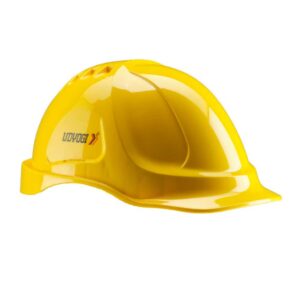 Head Protection – Industrial Safety Helmets & Hard Hats
Fusion Pro Safety Gear – Durable Industrial PPE for Workplace Safety & Compliance
-
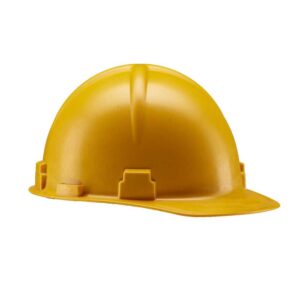 Head Protection – Industrial Safety Helmets & Hard Hats
Thermoguard 9000 Series – Advanced Industrial Safety Helmet for High-Heat Environments
Introduction to Head Protection
Head injuries are among the most severe workplace accidents, often leading to long-term disability or even fatalities. In industries like construction, mining, manufacturing, power plants, and logistics, falling objects, slips, or collisions are common hazards. Head protection products such as industrial safety helmets and hard hats are designed to safeguard workers from these risks while ensuring compliance with safety regulations (OSHA, BIS, CE, ISO).
A high-quality safety helmet not only absorbs impact but also provides comfort, ventilation, and in some cases, additional features like face shields, visors, and earmuff attachments.
Importance of Head Protection in Workplaces
- Prevents Fatal Accidents – Protects against falling objects and head impacts.
- Ensures Compliance – Required by OSHA and BIS for high-risk industries.
- Improves Confidence – Workers feel secure in hazardous conditions.
- Multi-Industry Usage – Construction, mining, oil & gas, electrical, and warehousing.
- Cost-Effective Safety – Reduces long-term medical and legal expenses.
Types of Head Protection Products
1. Industrial Safety Helmets
- Standard hard hats for construction and manufacturing.
- Available in ABS, HDPE, and fiberglass materials.
2. Full Brim Helmets
- Extra coverage around neck and ears.
- Protection against sunlight, rain, and debris.
3. Electrical Safety Helmets
- Designed to resist electric shocks.
- Essential for power plants and electrical work.
4. Mining & Heavy-Duty Helmets
- Reinforced design with lamp brackets.
- High durability for rugged environments.
5. Accessories & Attachments
- Face shields, visors, and earmuffs attachable to helmets.
- Chin straps for additional stability.
Applications of Head Protection
- Construction Sites: Falling tools and debris.
- Mining Industry: Protection in confined and rugged conditions.
- Factories & Warehouses: Safeguarding against machinery impacts.
- Oil & Gas Industry: Head safety in high-risk operations.
- Electrical Work: Shock-resistant helmets for linemen and technicians.
Benefits of Using Industrial Safety Helmets
- Impact Resistance – Strong shell and suspension system absorb shocks.
- Durability – Made from robust, weather-resistant materials.
- Comfortable Fit – Adjustable headbands and ventilation slots.
- Customizable – Available in different colors for worker roles.
- Compliance Ready – Certified under BIS/CE/OSHA standards.
Buying Guide – How to Choose the Right Safety Helmet
- Material: ABS, HDPE, or fiberglass for durability.
- Type of Industry: Electrical, mining, or construction helmets.
- Comfort Features: Ventilation slots, cushioned suspension.
- Additional Safety: Full brim, visors, or chin straps.
- Certification: Ensure compliance with OSHA, BIS, CE, or ISO.
Comparison – ABS vs HDPE vs Fiberglass Helmets
| Feature | ABS Helmets | HDPE Helmets | Fiberglass Helmets |
| Strength | High | Medium | Very High |
| Weight | Lightweight | Lightweight | Slightly heavier |
| Best Use Case | General industry | Construction, warehouses | Mining, heavy-duty tasks |
| Cost | Medium | Low | High |
Maintenance & Storage Tips
- Inspect helmets regularly for cracks or wear.
- Replace helmets after a significant impact or every 3–5 years.
- Store in a cool, dry place away from sunlight.
- Clean with mild soap; avoid harsh chemicals.
Frequently Asked Questions (FAQs)
- Why are safety helmets important?
They prevent serious head injuries from falling objects and impacts. - How long does a safety helmet last?
Typically 3–5 years, depending on usage and material. - Can helmets protect against electric shocks?
Yes, specialized electrical safety helmets are designed for that purpose. - Are helmets required on all construction sites?
Yes, head protection is mandatory on active sites. - Do helmets come in different sizes?
Most helmets are adjustable to fit various head sizes. - Can helmets have accessories?
Yes, visors, chin straps, and earmuffs can be attached. - Do safety helmets meet international standards?
Certified helmets comply with OSHA, CE, ISO, or BIS standards.
Conclusion
Head protection is a non-negotiable safety requirement in industrial and high-risk environments. By investing in certified safety helmets, companies can protect workers, comply with regulations, and reduce accident risks.
Explore our range of industrial safety helmets and head protection gear online in India – durable, comfortable, and certified for workplace safety.