Introduction to Hand Protection
Hands are the most frequently used body parts in industrial environments and are also the most vulnerable to injuries. Workers in factories, warehouses, construction sites, laboratories, and chemical industries face risks such as cuts, burns, abrasions, electrical shocks, and chemical exposure.
Hand protection products, including safety gloves and specialized hand gear, are essential for preventing accidents, improving productivity, and ensuring compliance with safety regulations (OSHA, CE, ISO, BIS).
Importance of Hand Protection in Workplaces
- Prevents Injuries – Guards against cuts, abrasions, burns, and impacts.
- Improves Grip – Anti-slip designs ensure safer handling of tools and materials.
- Chemical & Heat Resistance – Specialized gloves protect against hazardous substances and extreme temperatures.
- Electrical Safety – Insulated gloves prevent shocks.
- Compliance Assurance – Meets workplace safety laws and international standards.
Types of Hand Protection Products
1. Cut-Resistant Gloves
- Made of Kevlar, HPPE, or steel mesh.
- Ideal for construction, glass handling, and metal industries.
2. Chemical-Resistant Gloves
- Made from nitrile, neoprene, or PVC.
- Protects against acids, solvents, and oils.
3. Heat-Resistant Gloves
- For foundries, welding, and kitchen industries.
- Withstand high temperatures without compromising grip.
4. Electrical Insulating Gloves
- Provide protection against electric shocks.
- Widely used in power plants and electrical maintenance.
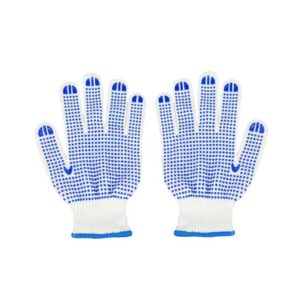
5. General-Purpose Work Gloves
- Cotton, leather, or synthetic material.
- For warehouses, logistics, and everyday handling.
6. Disposable Gloves
- Latex, nitrile, or vinyl.
- For laboratories, healthcare, and food industries.
Applications of Hand Protection
- Construction Sites: Cut-resistant and impact gloves.
- Factories & Manufacturing Units: Anti-slip, durable gloves for machinery handling.
- Chemical Plants & Laboratories: Nitrile or neoprene gloves for chemical resistance.
- Electrical & Power Plants: Insulated gloves for shock protection.
- Healthcare & Food Industry: Disposable gloves for hygiene.
- Welding & Foundries: Heat-resistant gloves for high-temperature tasks.
Benefits of Using Industrial Safety Gloves
- Comprehensive Safety – Shields against mechanical, chemical, thermal, and electrical hazards.
- Better Productivity – Improves worker confidence and efficiency.
- Variety of Options – Gloves for different industries and tasks.
- Durable & Long-Lasting – Designed to withstand harsh environments.
- Cost-Effective Protection – Affordable safety solution compared to medical costs.
Buying Guide – How to Choose the Right Safety Gloves
- Type of Hazard: Cut, chemical, heat, or electrical.
- Material: Leather, nitrile, PVC, Kevlar, cotton, etc.
- Grip & Comfort: Ensure ergonomic design and flexibility.
- Durability: Resistant to wear and tear in specific environments.
- Certification: Ensure OSHA, CE, or ISO compliance.
Comparison – Nitrile vs Latex vs PVC Gloves
| Feature |
Nitrile Gloves |
Latex Gloves |
PVC Gloves |
| Chemical Resistance |
High |
Medium |
High |
| Comfort |
Medium |
High |
Medium |
| Durability |
High |
Medium |
High |
| Best Use Case |
Chemical, oil handling |
Healthcare, food |
Chemical, industrial |
Maintenance & Storage Tips
- Store gloves in a cool, dry place away from chemicals.
- Wash reusable gloves after use (if material allows).
- Inspect regularly for holes, cracks, or wear.
- Replace damaged gloves immediately.
Frequently Asked Questions (FAQs)
- Why are safety gloves important?
They protect workers from cuts, chemicals, burns, and electrical hazards.
- What type of gloves are best for chemical industries?
Nitrile, neoprene, or PVC gloves.
- Can safety gloves be reused?
Yes, depending on the material (leather, Kevlar, PVC), but disposable gloves are single-use.
- Do electrical gloves protect against shocks?
Yes, insulated gloves rated for electrical work are designed to prevent shocks.
- Which gloves are heat-resistant?
Kevlar, leather, and specially designed high-temperature gloves.
- Are safety gloves comfortable for long hours?
Yes, modern gloves are designed ergonomically for grip and comfort.
- Do gloves meet safety standards?
Certified gloves comply with OSHA, CE, ISO, or BIS standards.
Conclusion
Hand protection is a mandatory requirement across all industries. From cut-resistant gloves in construction to chemical-proof gloves in laboratories and disposable gloves in healthcare, the right hand gear prevents accidents, saves costs, and ensures compliance.
Explore our collection of industrial safety gloves and hand protection gear online in India – durable, certified, and designed for multiple industries.

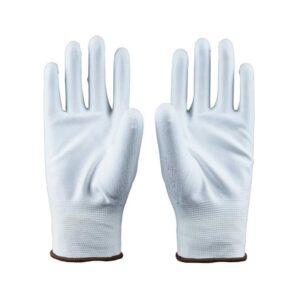 Hand Protection – Industrial Safety Gloves & Hand Gear
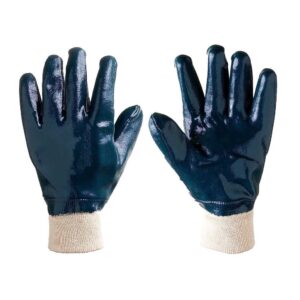 Hand Protection – Industrial Safety Gloves & Hand Gear
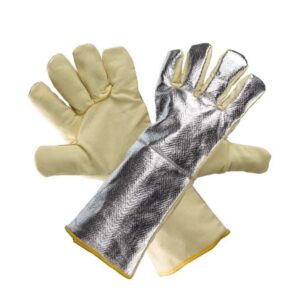 Hand Protection – Industrial Safety Gloves & Hand Gear
 Hand Protection – Industrial Safety Gloves & Hand Gear
 Hand Protection – Industrial Safety Gloves & Hand Gear
 Hand Protection – Industrial Safety Gloves & Hand Gear
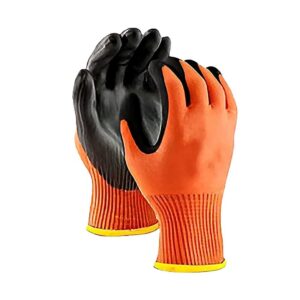 Hand Protection – Industrial Safety Gloves & Hand Gear
 Hand Protection – Industrial Safety Gloves & Hand Gear