Introduction to Foot Protection
Feet are one of the most injury-prone parts of the body in industrial environments. Workers in factories, warehouses, construction sites, and chemical plants face hazards such as falling objects, sharp tools, slippery floors, electrical risks, and chemical spills. Foot protection products like industrial safety shoes and boots are essential to safeguard against these dangers.
High-quality safety footwear provides durability, comfort, and compliance with safety standards (OSHA, CE, BIS, ISO), ensuring workers are protected while maintaining productivity.
Importance of Foot Protection in Workplaces
- Prevents Accidents – Protects against slips, trips, and falls.
- Shields Against Impact – Steel toe and composite toe caps guard against heavy objects.
- Electrical Safety – Anti-static and insulated shoes prevent shocks.
- Chemical Resistance – Special boots protect from spills and corrosive substances.
- Improves Comfort – Ergonomic designs reduce fatigue during long shifts.
Types of Foot Protection Products
1. Safety Shoes
- Steel toe shoes for heavy-duty protection.
- Composite toe shoes (lightweight, non-metallic).
- Anti-slip shoes for wet or oily surfaces.
2. Safety Boots
- High-ankle boots for construction and mining.
- Chemical-resistant boots for laboratories and chemical plants.
- Heat-resistant boots for foundries and welding sites.
3. Specialized Footwear
- Electrical hazard-resistant shoes.
- Anti-static footwear for electronics and precision industries.
- Gumboots for agriculture, sewage, and water-intensive tasks.
Applications of Foot Protection
- Construction Sites: Protection from falling debris and nails.
- Manufacturing & Factories: Guard against machinery hazards.
- Warehouses & Logistics: Prevent injuries from heavy packages.
- Chemical Industries: Protection against corrosive substances.
- Electrical & Power Plants: Specialized footwear for electrical safety.
- Mining & Heavy Industry: Durable boots for extreme conditions.
Benefits of Using Industrial Safety Footwear
- Comprehensive Protection – From impact, heat, electricity, and chemicals.
- Durable & Long-Lasting – Made with strong leather, rubber, or PVC.
- Comfort-Oriented Design – Cushioned soles and breathable materials.
- Variety of Options – Shoes, boots, and gumboots for different industries.
- Regulatory Compliance – Meets workplace safety requirements.
Buying Guide – How to Choose the Right Safety Footwear
- Identify Hazards: Falling objects, electrical risks, or chemical exposure.
- Material Quality: Leather, rubber, or PVC for durability.
- Toe Protection: Steel toe vs composite toe depending on industry.
- Sole Type: Anti-slip, heat-resistant, or puncture-resistant.
- Comfort & Fit: Lightweight, cushioned, and ergonomic.
- Certification: Ensure BIS, CE, or OSHA compliance.
Comparison – Steel Toe vs Composite Toe Safety Shoes
| Feature |
Steel Toe Shoes |
Composite Toe Shoes |
| Material |
Steel |
Fiberglass, Kevlar, Plastic |
| Weight |
Heavier |
Lightweight |
| Protection |
Very High |
High |
| Electrical Safety |
Conductive |
Non-conductive |
| Best Use Case |
Heavy industry |
Electrical, aviation, logistics |
Maintenance & Storage Tips
- Clean shoes regularly with mild soap and water.
- Store in a dry, ventilated area.
- Replace worn-out soles or damaged footwear immediately.
- Apply leather polish or waterproofing agents as needed.
Frequently Asked Questions (FAQs)
- Why are safety shoes important?
They protect workers from impact, slips, electricity, and chemical hazards.
- What’s the difference between steel toe and composite toe shoes?
Steel toe is heavier but provides stronger protection; composite toe is lighter and non-metallic.
- Can safety shoes prevent electric shocks?
Yes, electrical hazard (EH) rated shoes provide insulation.
- Are safety boots comfortable for long shifts?
Yes, modern safety shoes are designed with cushioned soles and ergonomic designs.
- Do safety boots resist chemicals?
Yes, chemical-resistant boots are made from PVC or rubber.
- Are gumboots considered industrial footwear?
Yes, gumboots are widely used in agriculture, sewage, and water-intensive industries.
- Do safety shoes meet compliance standards?
Certified footwear complies with OSHA, CE, ISO, or BIS safety regulations.
Conclusion
Foot protection is a non-negotiable safety requirement across industries. By investing in durable and certified safety shoes or boots, businesses can prevent accidents, protect workers, and comply with regulations.
Explore our collection of industrial safety shoes and boots online in India to find the right solution for your workplace needs.

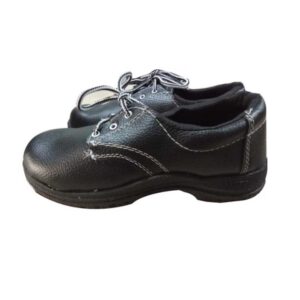 Foot Protection – Industrial Safety Shoes & Boots
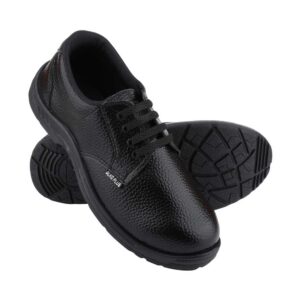 Foot Protection – Industrial Safety Shoes & Boots
 Foot Protection – Industrial Safety Shoes & Boots
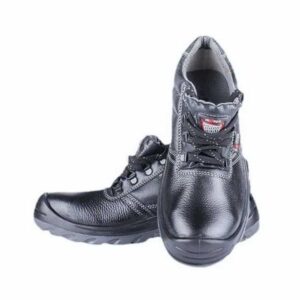 Foot Protection – Industrial Safety Shoes & Boots
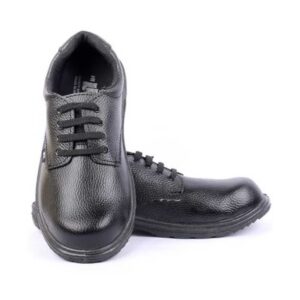 Foot Protection – Industrial Safety Shoes & Boots
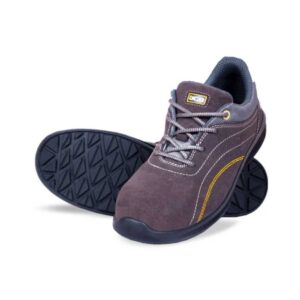 Foot Protection – Industrial Safety Shoes & Boots
 Foot Protection – Industrial Safety Shoes & Boots